For the Bolo Community

Our land. Our company. Our share.

What the Iwokiri Gateway means for the people of Bolo: who benefits, how, and how the community keeps control of its land and its income.

Concept illustration

Who benefits

Built with the community, not around it.

Fishers

  • The Fishers' Harbour and Seafood Hub is built first, in Phase 1, with fishers as partners.
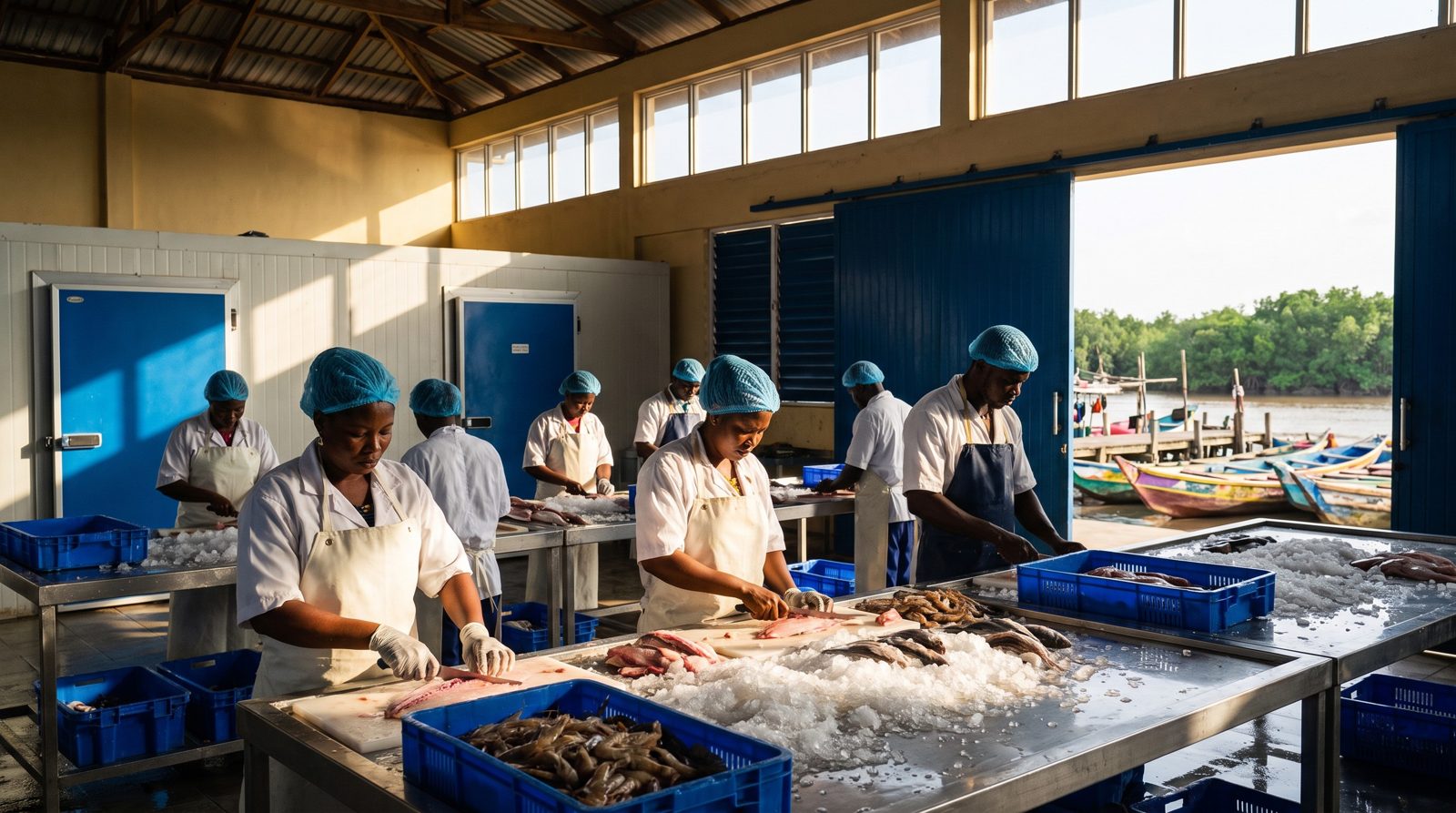
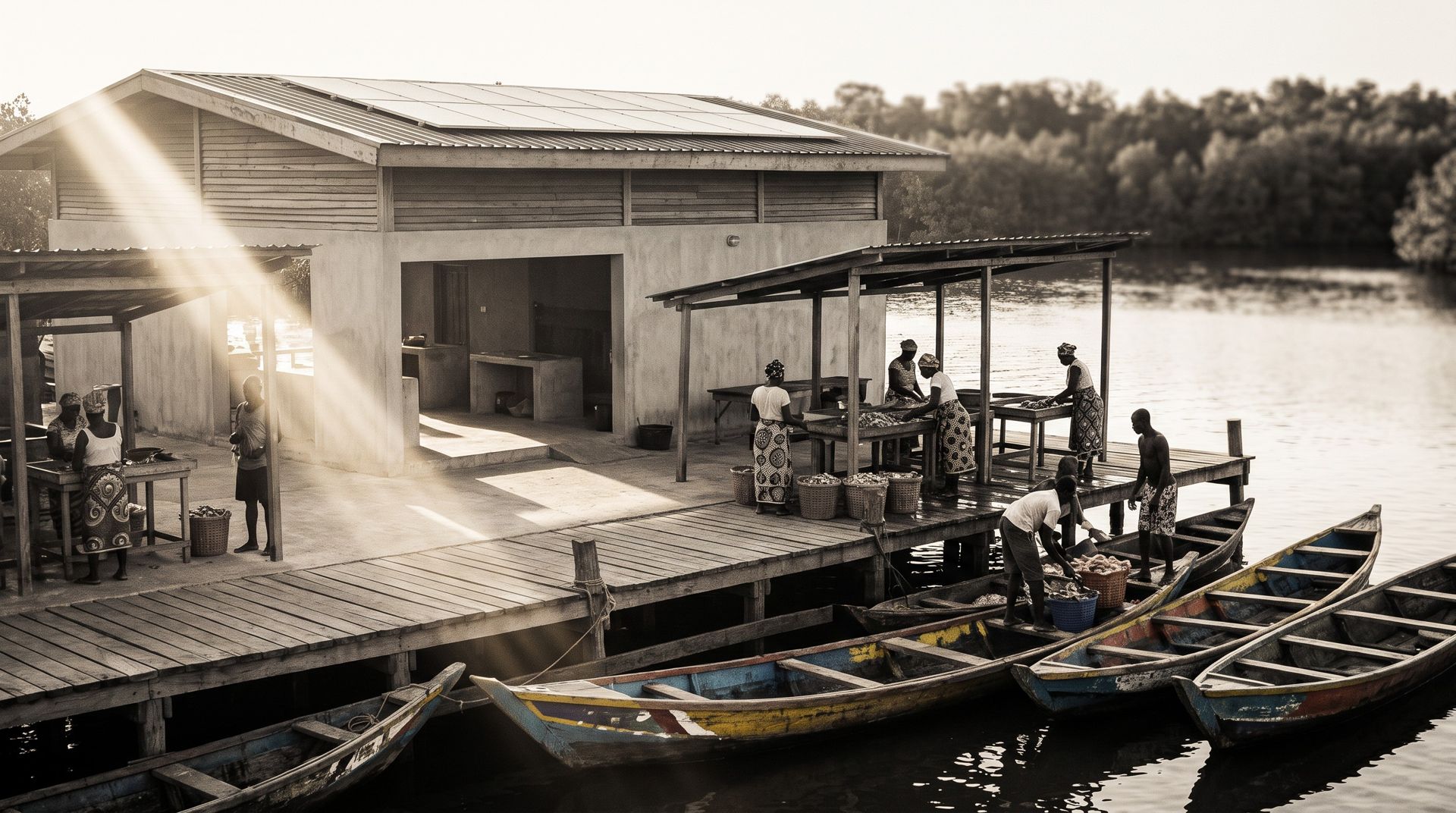
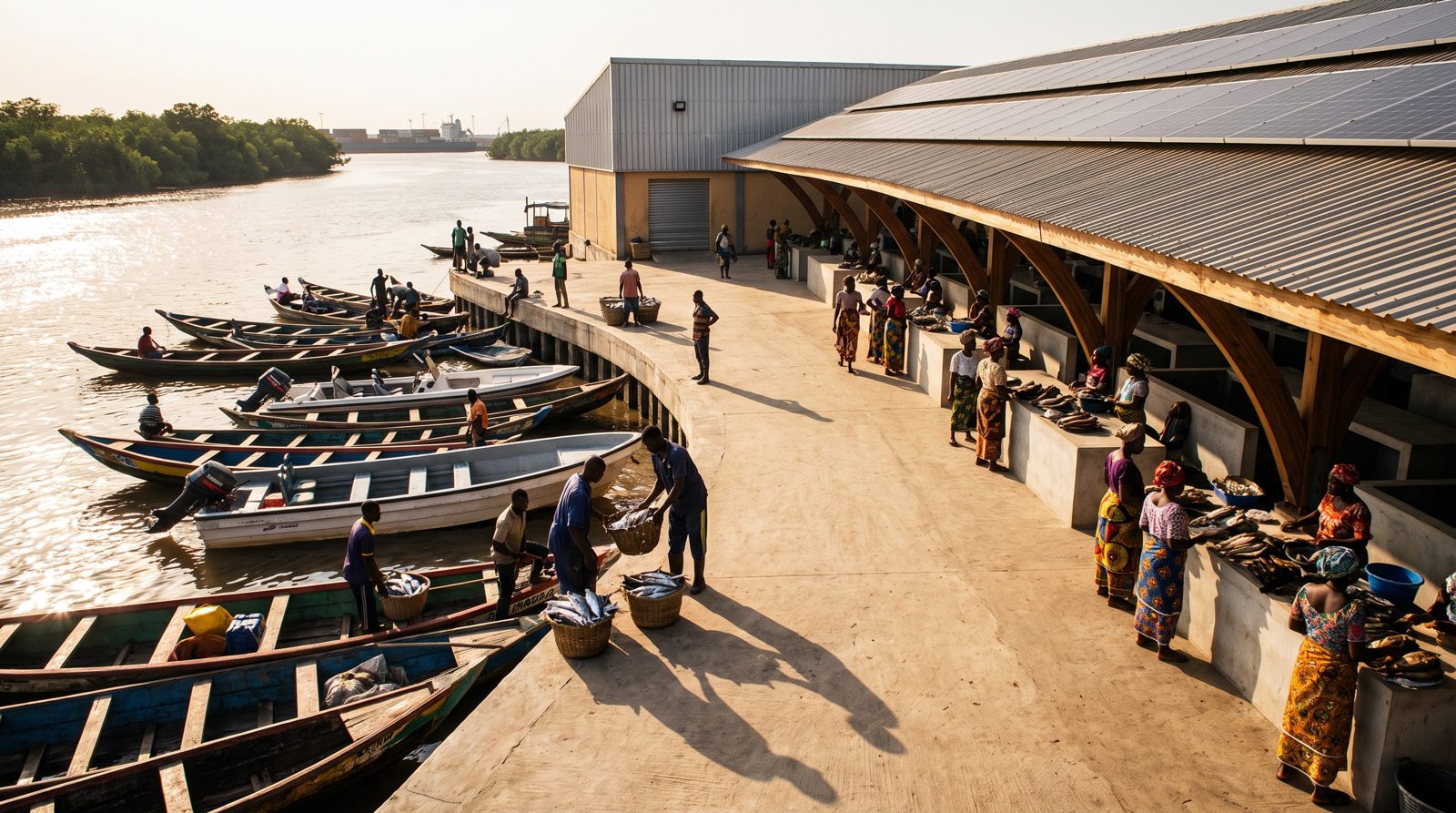
  • A sheltered landing, ice, cold rooms and a processing hall, so more of the catch is sold at a better price.
  • The creeks fishers use stay open, and the mangrove nurseries that feed the fish are protected.
Young people

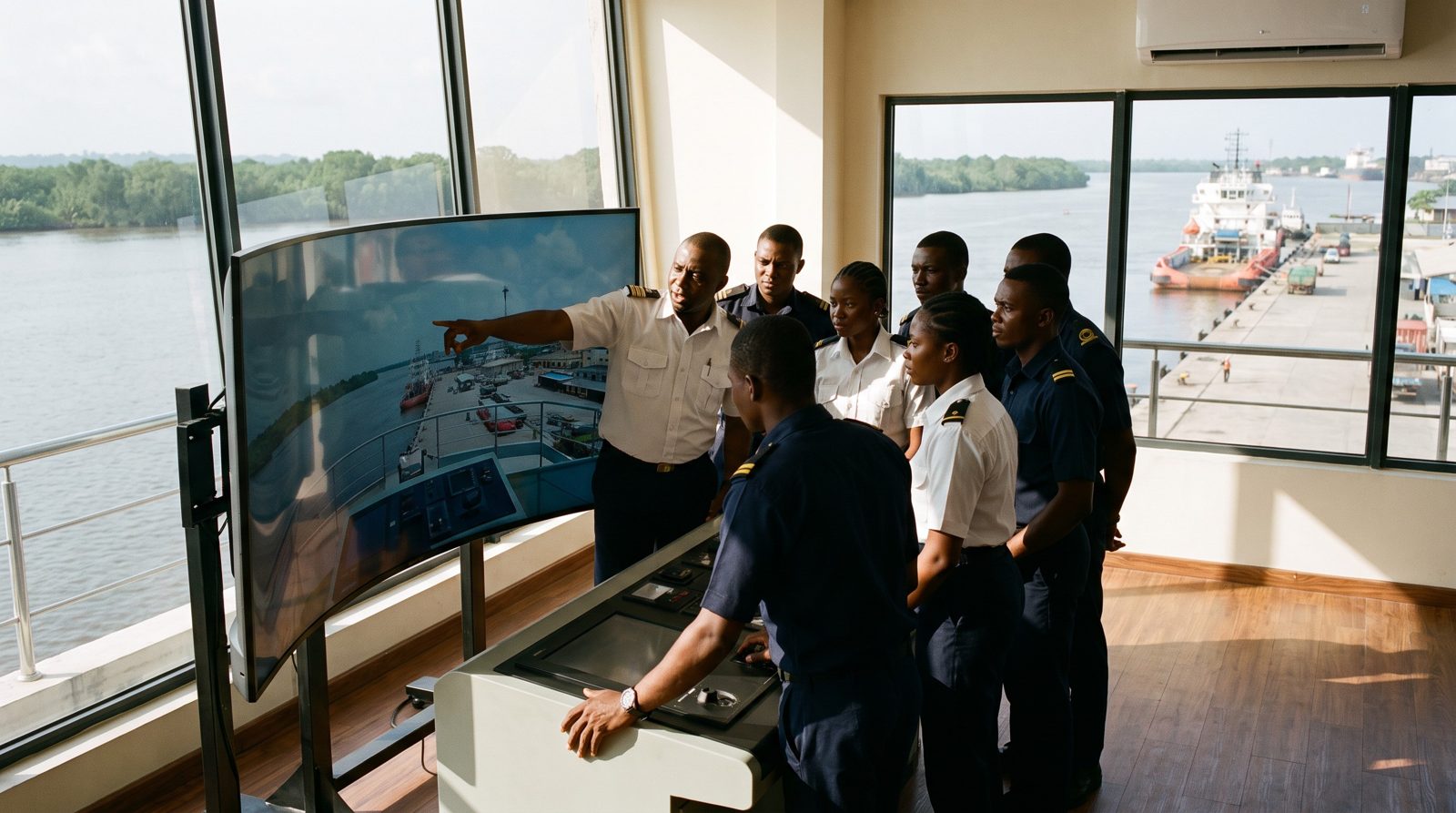
  • The Maritime and Blue Economy Academy trains local people for the jobs on site: marine services, logistics, energy, conservation.
  • Local hiring commitments are written into every lease, not left to goodwill.
  • Work in survey, restoration, construction and operations from the first phase.

Women

  • Seafood processing, trading and market stalls at the harbour and in Iwokiri Town.
  • Enterprise support through the community development fund.
  • A voice in how the fund is spent, through the Community Trust.

Families of Iwokiri

  • The Iwokiri settlement stays where it is. Nobody is moved by the plan.
  • New water, power and sanitation for the village.
  • Every land-holding family signs a consent deed before any survey begins.

Bolo Town

  • The Bolo Link Road connects Bolo Town to the new town and the Gateway.
  • The energy hub is sized to serve Bolo Town as its second customer.
  • Jobs, training and trade reach the whole community, not only the site.

The mangrove

  • About three quarters of the land is kept or restored as mangrove reserve.
  • Paid work in replanting, nursery care and monitoring.
  • Any income from blue carbon goes to the Community Trust.
The fishers' harbour and market, concept illustration

The fishers' harbour and market

Concept illustration

Seafood processing, run with fishers, concept illustration

Seafood processing, run with fishers

Concept illustration

Training local people for the jobs on site, concept illustration

Training local people for the jobs on site

Concept illustration

How the money is governed

The community keeps control.

The land stays with Bolo

Land is leased, never sold. If a project ends, its land returns to the community.

Income goes to the Community Trust

Rents and the community's share of each project company are paid to the Bolo Community Trust, with a ring-fenced community development fund.

Open books

Audited accounts, several signatories on every account, and a public annual report to the community.

Decisions in the open

Each phase is discussed with the community before it starts, and a grievance process lets anyone raise a concern.

The Bolo Community Trust and its company are being set up in Phase 0. The details of each commitment will be agreed with the community and written into the Trust deed and every lease.

Have your say

Questions, ideas or concerns?

Every message is read by the Iwokiri committee. Community members and Bolo people abroad are especially welcome. You can also read the full masterplan.

We use your details only to reply to you about Iwokiri. See our privacy notice.